The Story
DESCRIPTION
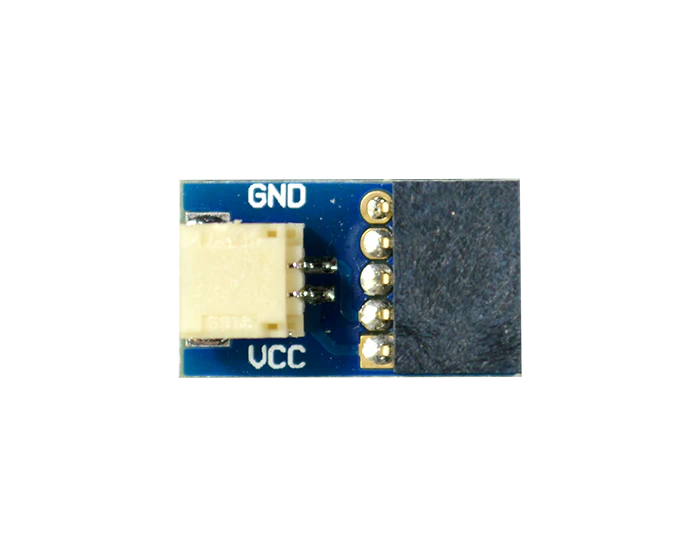
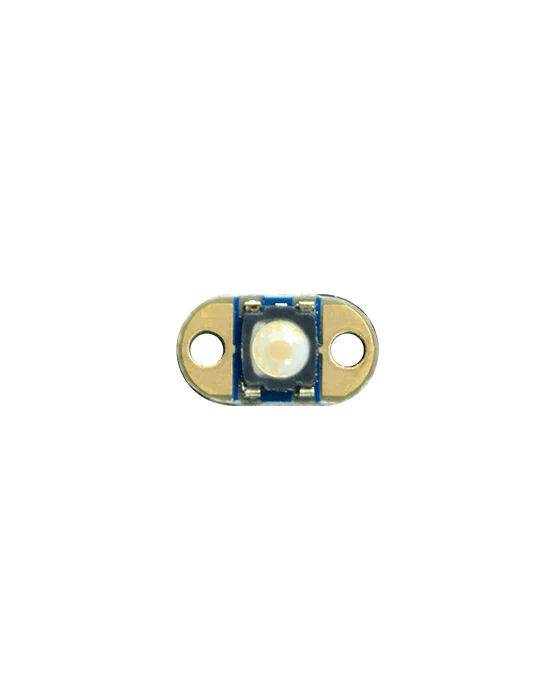
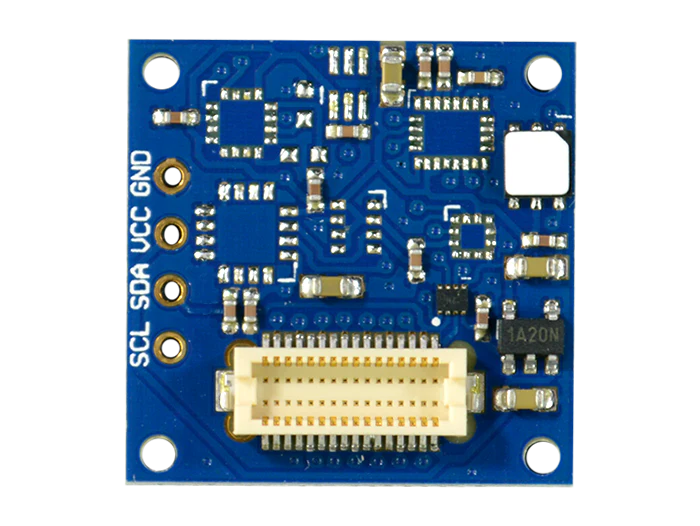
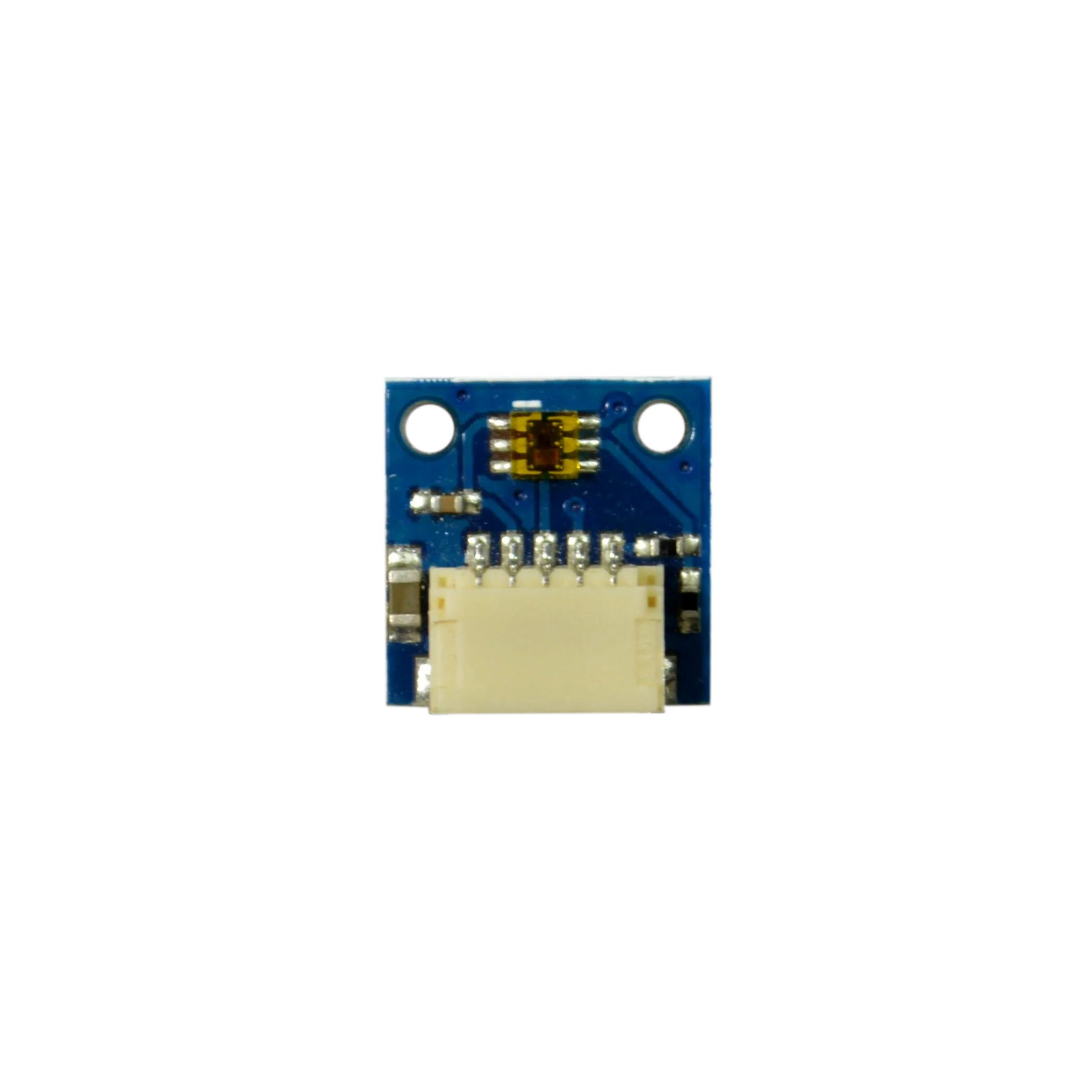
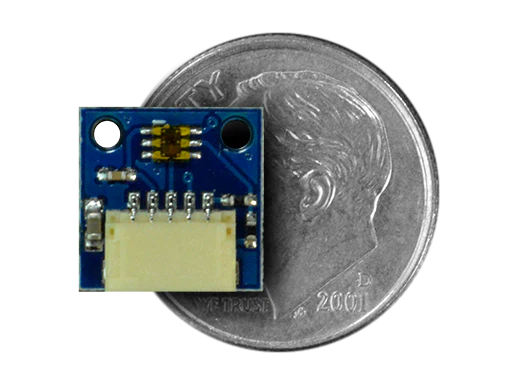
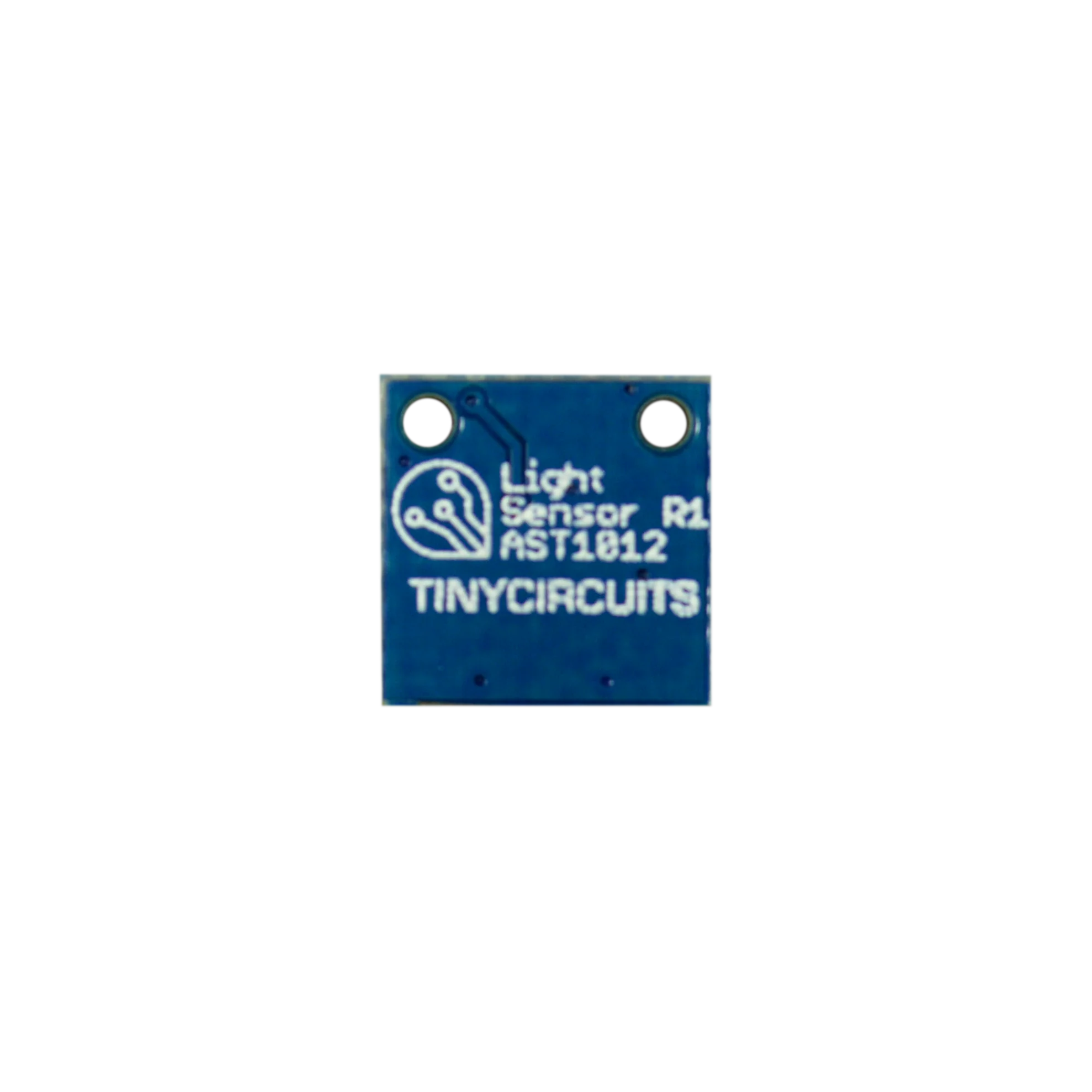
This Wireling lets you measure ambient light levels in units of lux via the TSL2572, the same sensor on our Ambient Light TinyShield. This sensor approximates human eye response to light intensity, and can be used for proximity detection with the help of an LED. In addition, the operating range of the sensor is extended to 60,000 lux ni sunlight when using the low-gain mode.
If your project requires color sensing or color temperature, check out our Color Sensor Wireling!
New to Wirelings? Check out the Wireling Overview!
Note* 5-Pin Wireling cables not included and sold separately.
TECH SPECS
- Approximates Human Eye Response
- 45,000,000:1 Dynamic Range
- An operation to 60,000 lux in Sunlight
- Package UV Rejection Filter
- Wide Magnetic Field Range (+/-8 Oe)
- Low Power – Active: 200uA, Wait: 90uA, Sleep: 2.2u
TinyDuino Power Requirements
- Voltage: 3.0V - 5.5V
- Current: 200uA (Active). Due to the low current, this board can be run using the TinyDuino coin cell option
Pins Used
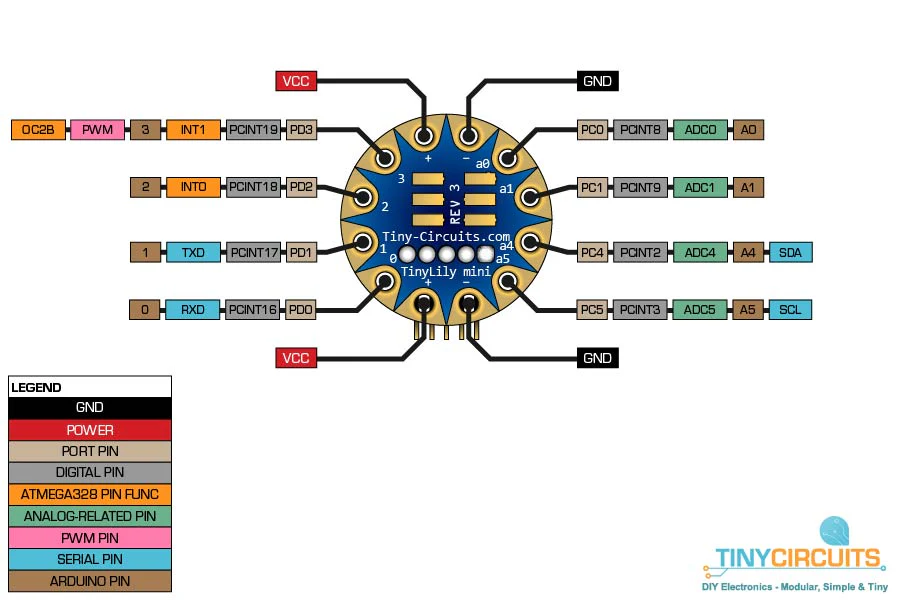
- A5/SCL - I²C Serial Clock line
- A4/SDA - I²C Serial Data line
Dimensions
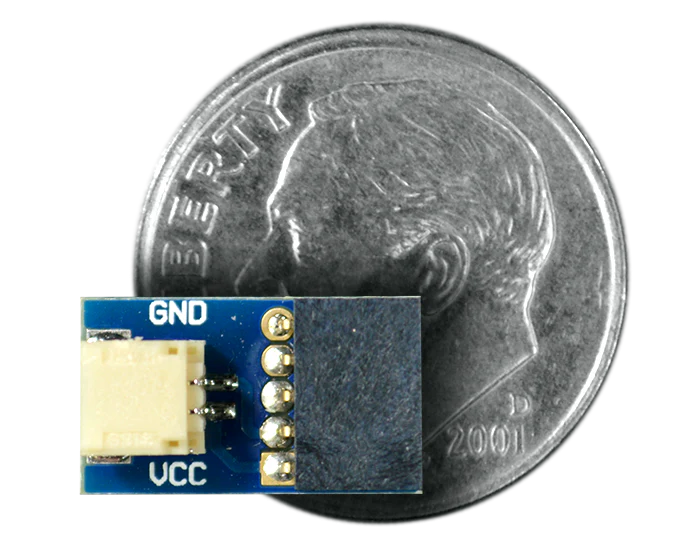
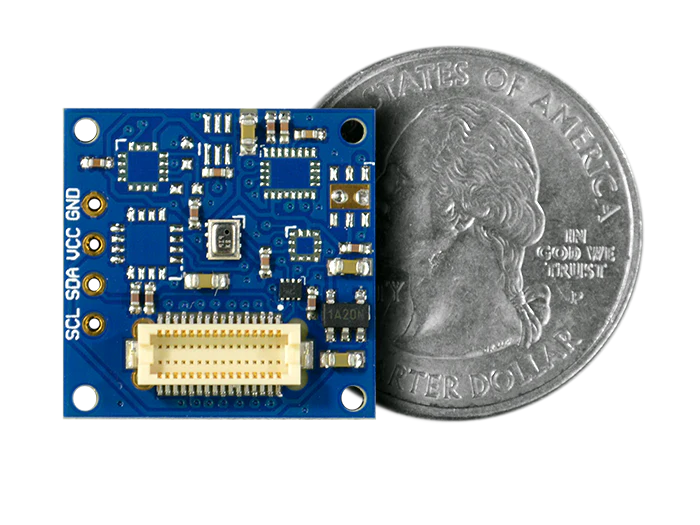
- 10mm x 10mm (.394 inches x .394 inches)
- Max Height (from the lower bottom of Wireling to upper top Wireling Connector): 3.70mm (0.15 inches)
- Weight: 1 gram (.04 ounces)
NOTES
- You can also use this Wireling without the TinyDuino – modifying the connecting cable by removing the opposite connector and stripping/tinning the wires, you can solder the connector cable to any other microcontroller board of your choice!
DOWNLOADS
Details & Craftsmanship
Every detail has been carefully considered to bring you the perfect product.
Details & Craftsmanship
Every detail has been carefully considered to bring you the perfect product.
Details & Craftsmanship
Every detail has been carefully considered to bring you the perfect product.
Description
DESCRIPTION
This Wireling lets you measure ambient light levels in units of lux via the TSL2572, the same sensor on our Ambient Light TinyShield. This sensor approximates human eye response to light intensity, and can be used for proximity detection with the help of an LED. In addition, the operating range of the sensor is extended to 60,000 lux ni sunlight when using the low-gain mode.
If your project requires color sensing or color temperature, check out our Color Sensor Wireling!
New to Wirelings? Check out the Wireling Overview!
Note* 5-Pin Wireling cables not included and sold separately.
TECH SPECS
- Approximates Human Eye Response
- 45,000,000:1 Dynamic Range
- An operation to 60,000 lux in Sunlight
- Package UV Rejection Filter
- Wide Magnetic Field Range (+/-8 Oe)
- Low Power – Active: 200uA, Wait: 90uA, Sleep: 2.2u
TinyDuino Power Requirements
- Voltage: 3.0V - 5.5V
- Current: 200uA (Active). Due to the low current, this board can be run using the TinyDuino coin cell option
Pins Used
- A5/SCL - I²C Serial Clock line
- A4/SDA - I²C Serial Data line
Dimensions
- 10mm x 10mm (.394 inches x .394 inches)
- Max Height (from the lower bottom of Wireling to upper top Wireling Connector): 3.70mm (0.15 inches)
- Weight: 1 gram (.04 ounces)
NOTES
- You can also use this Wireling without the TinyDuino – modifying the connecting cable by removing the opposite connector and stripping/tinning the wires, you can solder the connector cable to any other microcontroller board of your choice!